
Project-Based Learning
Project-based learning is an innovative approach that places students at the center of their education. While our students still flex their memorization skills in subjects like math and spelling (learned in somewhat more traditional styles), when it comes to subjects like science and social studies, project work encourages them to dive into meaningful, experiential projects that spark curiosity, build a love of learning, and nurture a sense of purpose early in life.
Guided by the design thinking process (Empathize, Define, Ideate, Prototype, Test, Exhibit), a widely known problem-solving method that we teach/review at the start of every school year, each project starts with a fundamental question. Through a carefully scaffolded framework, students explore uncharted subject areas, gain new knowledge and skills, and apply innovative thinking to address real-world issues. With the focus on both the process and the product, our students learn how to learn, not just what to learn.
Unlike traditional education, where subjects are taught in isolation, project-based learning integrates disciplines into cohesive experiences. Math, science, language arts, and social studies naturally overlap within a project, showing students how knowledge connects in the real world. This approach equips them with critical thinking, collaboration, and problem-solving skills that go far beyond the classroom.

Subjects Come Alive in Projects
A single project weaves together multiple disciplines, making learning feel natural, purposeful, and connected.
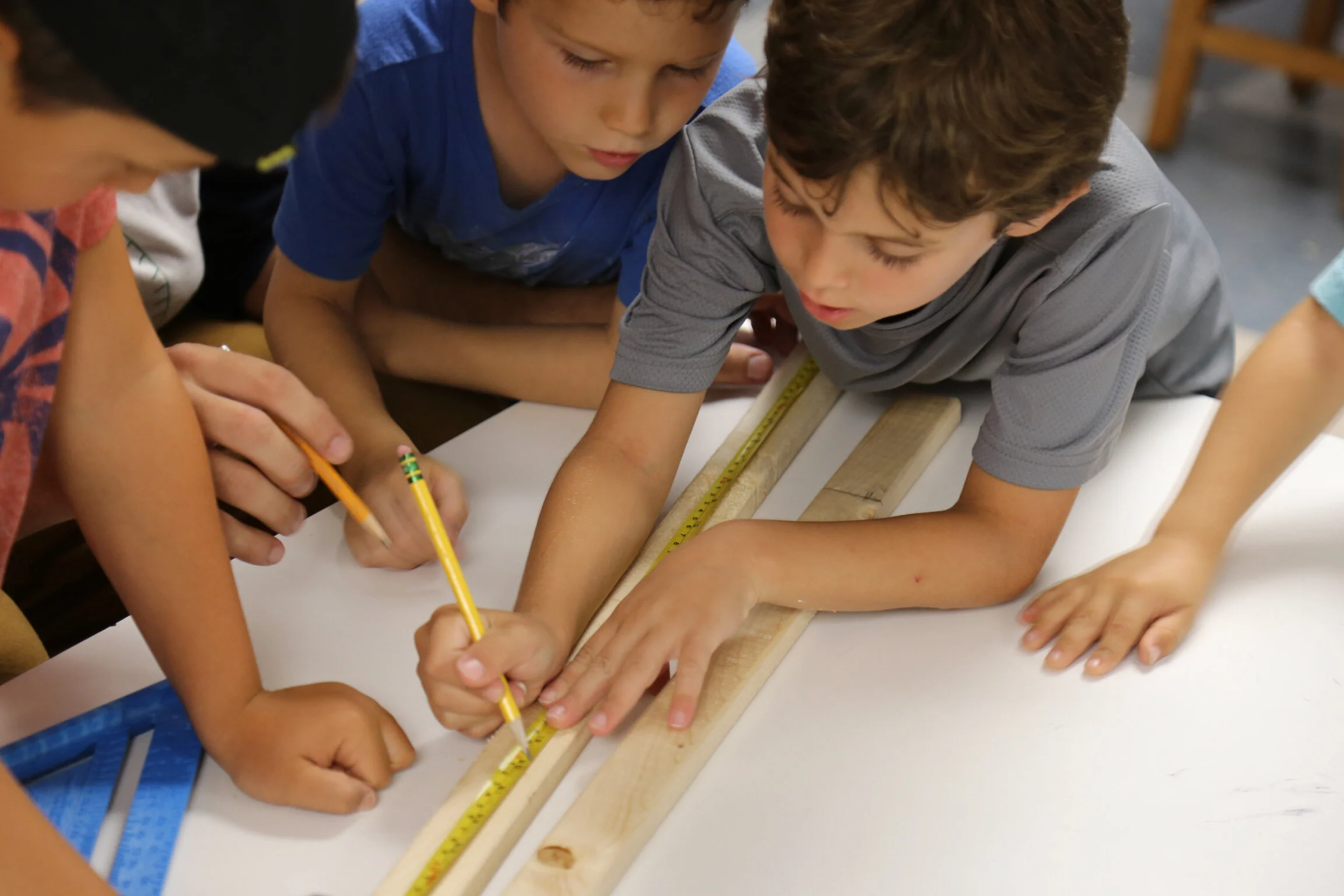
Math – while taught separately and daily in small, skill-based groups – is applied to measure, design, and analyze data, whether calculating budgets for a business plan, creating geometric patterns in art, or charting environmental changes in science.
Language Arts comes alive as students research, write, and present findings, crafting persuasive essays, stories, or presentations tied to their projects, as well as daily reading comprehension or journaling.
Science is explored through experimentation, observation, and problem-solving—such as testing water quality in a local river or studying plant growth in the garden.
Social Studies provides context and perspective, helping students understand history, culture, and society as they work on community-based initiatives.
Arts & Technology give students creative outlets to design, prototype, and share their work, from digital storytelling to hands-on tinkering.
This interdisciplinary approach ensures students don’t just “learn a subject”—they see how knowledge connects, how it’s used in the real world, and how their own ideas can have impact.
Every Project Ends with an Audience
Projects at Hudson Lab School culminate with an exhibition, where students share their work with an authentic audience. For lower school students, this is often their community, while middle school students present their work to industry experts. Not only do exhibitions motivate students to persist in the face of challenges and strive for excellence, but they also further solidify their learning as they plan how to communicate their newly acquired knowledge.

THE PROCESS
Our K-1 Design Thinking Project
-
![]()
After meeting with an ecologist and learning about their work, we identified with their perspective and crafted our driving question: How can we, as ecologists, care for our environment?
-
![]()
We learned about watersheds, explored our community, and realized a rain garden would help prevent erosion in a problematic area outside our classroom.
-
![]()
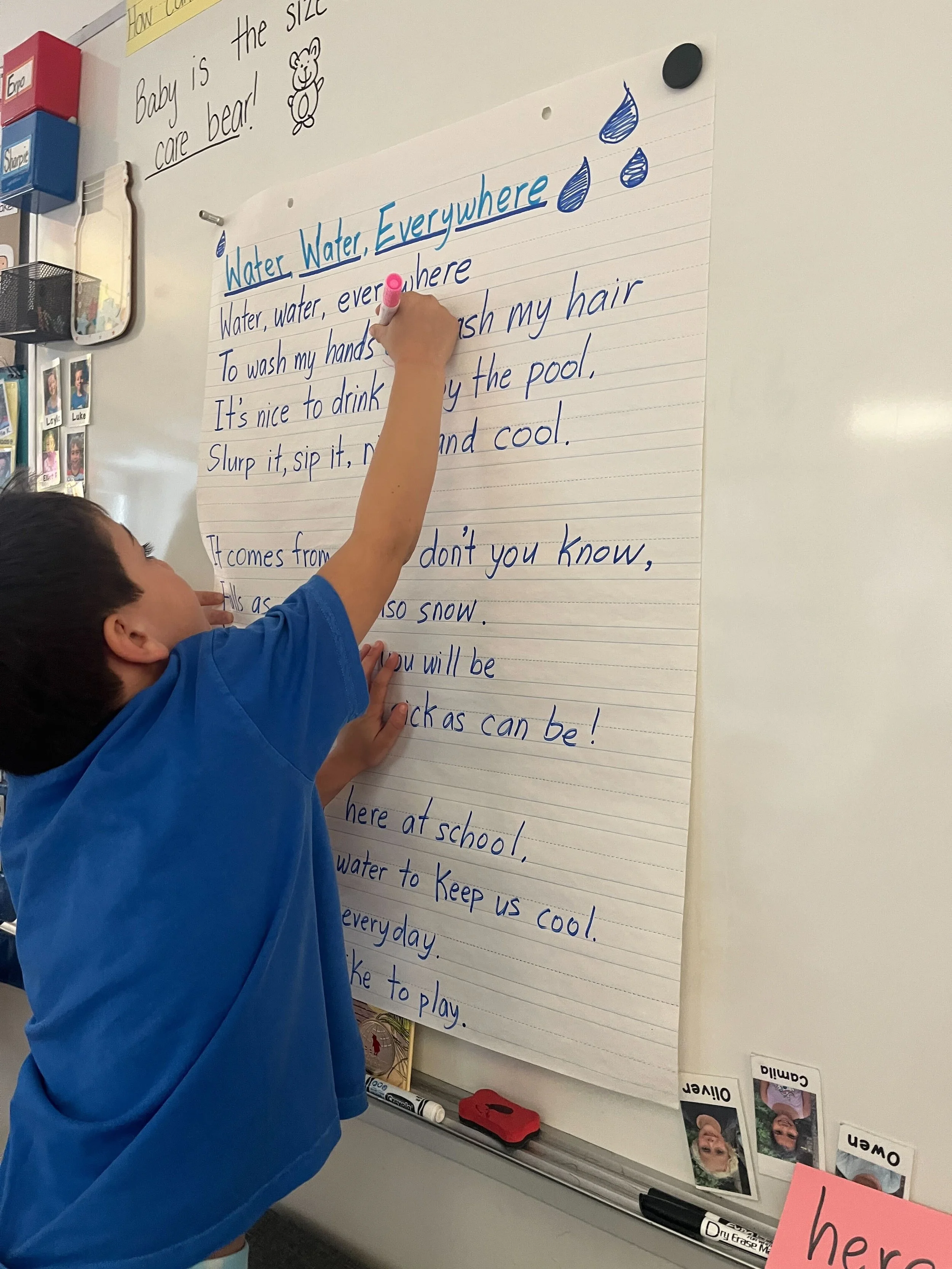
We explored sight words through our water poem and conducted a sight word hunt in our journals to discover just how important water is to us.
-
![]()
We needed permission from Andrus to plant a rain garden, so we planned and filmed a pitch. Andrus approved. Our first successful pitch!
-
![]()
We researched soil health and discovered that we needed to plant fresh garden soil to moisten the area for new plants to thrive. We also designed our garden with animal-repellent, water-tolerant plants that can thrive in partial sun.
-
![]()
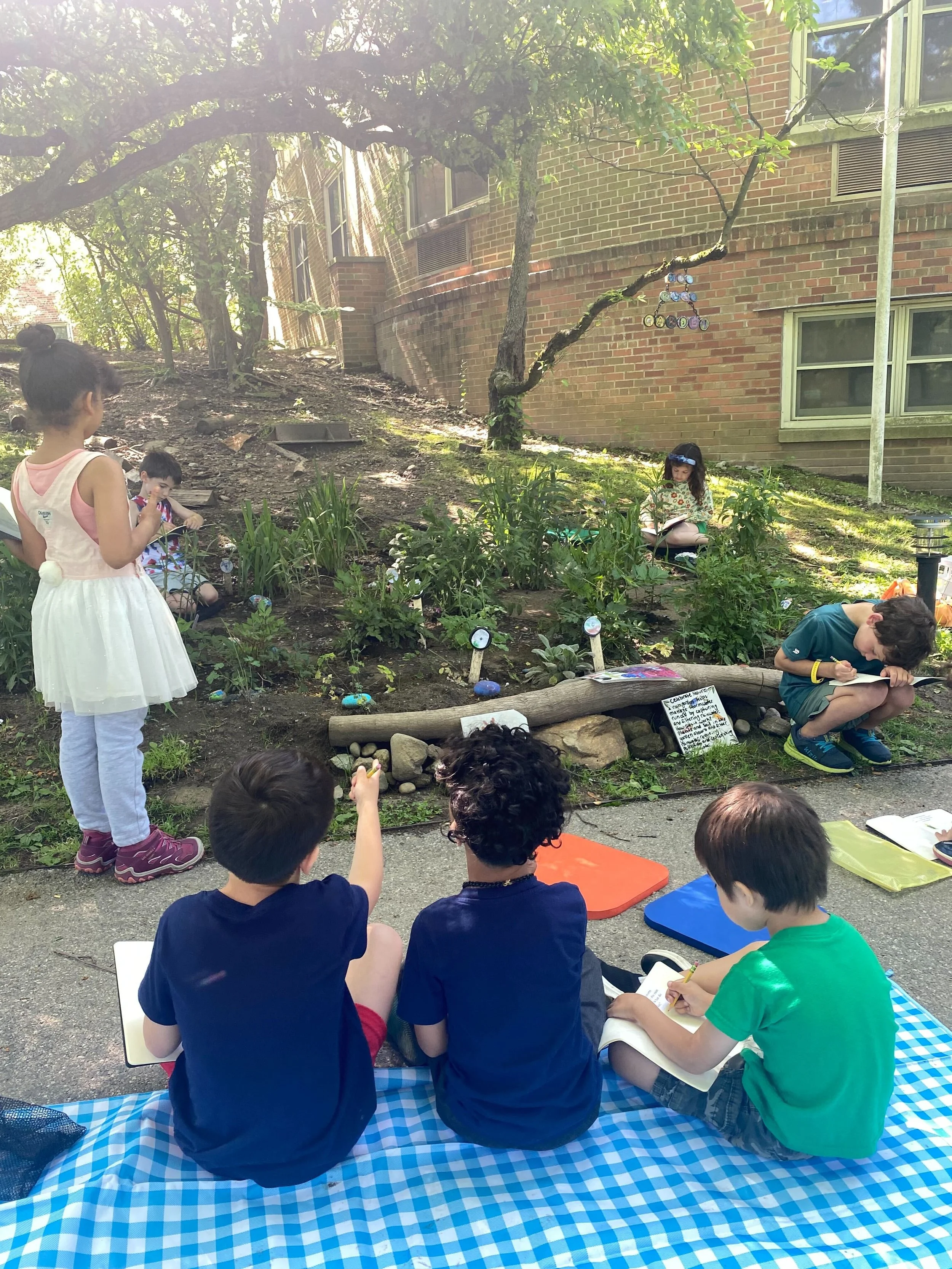
We planted our rain garden and after a torrential rain, we checked the runoff. Our rain garden did a good job, but we decided to transplant moss to eliminate all the runoff.
-
![]()
We had an incredible, joyous exhibition and our rain garden flourished. We reflected on what we learned, what we could have done better, and where we did our best work.




Grades 4-5 Project
-
![]()
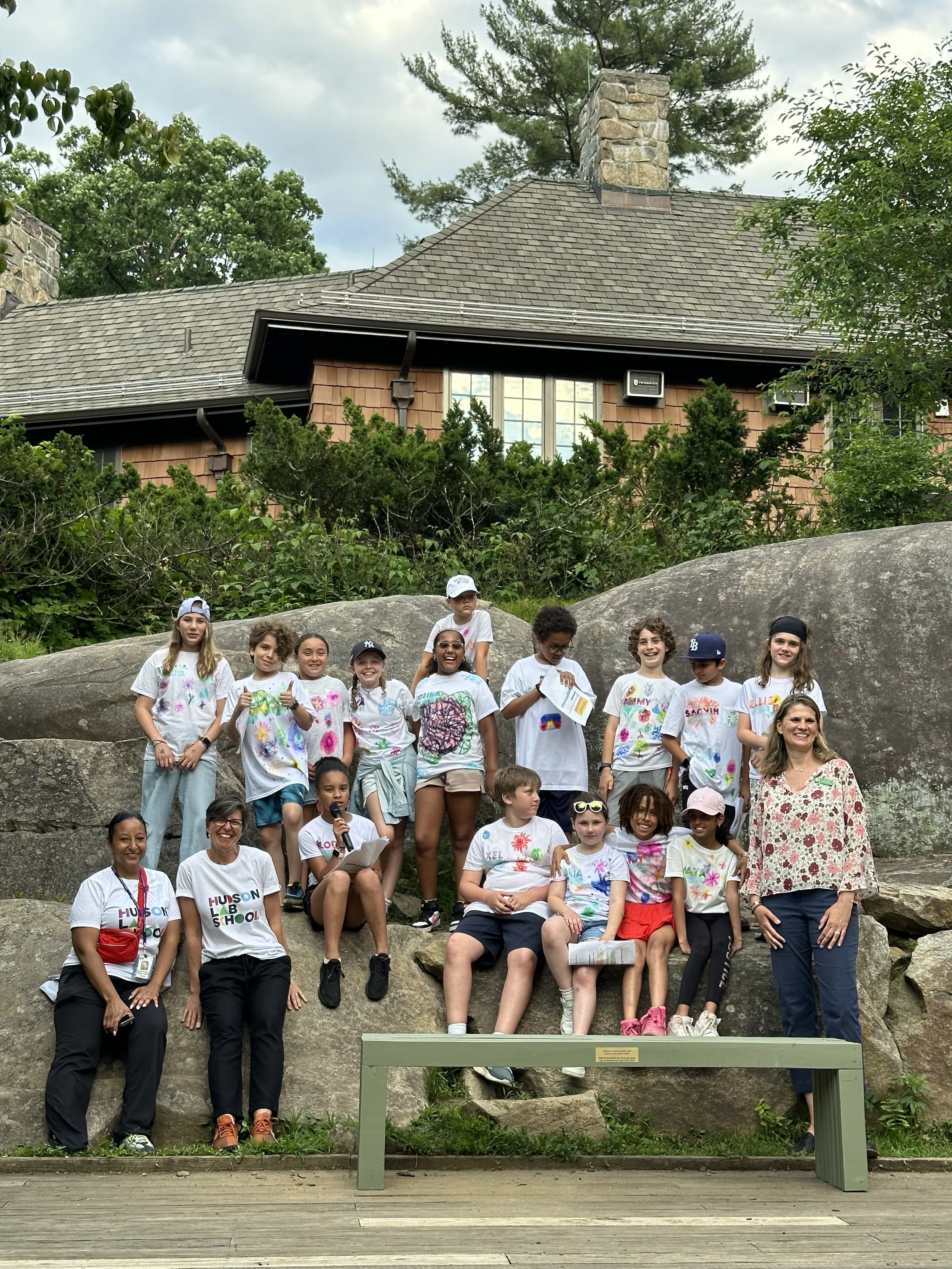
We kicked off our partnership with the Greenburgh Nature Center to help infuse project-based learning into their esteemed educational programming for the 100+ local schools that visit annually.
-
![]()
We visited Philipse Manor Hall as part of our ongoing research to determine how learning centers can educate their visitors while making their experiences fun and memorable. To do this, we investigated how people learn best.
-
![]()
We loved hearing the stories about the animals who live at Greenburgh Nature Center, and decided to author fictional narratives in first-person points of view towards building an "animal library" accessible to visitors at the Nature Center.
-
![]()
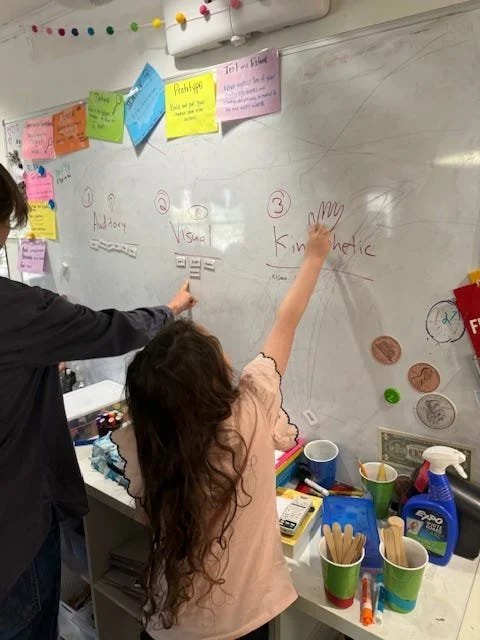
A meta study, we researched how we learn best. Inspired to support the Nature Center, we decided to plan a fundraising event, which required a LOT of project planning including logistics, programming needs, potential challenges, sponsorships, and public relations.
-
![]()
We continued to research effective learning strategies and styles, building interactive learning experiences, planning community outreach, and synthesizing findings from expert interviews to inform our work.
-
![]()
We presented our findings to Alix Dunn, the Executive Director of the Greenburgh Nature Center.
-
![]()
Our "FUNraiser" was a huge success. We designed interactive learning stations, crafted compelling sponsorship packages and press materials, and we successfully raised nearly $5,000 to benefit the Nature Center!



Middle School Project
-
![]()
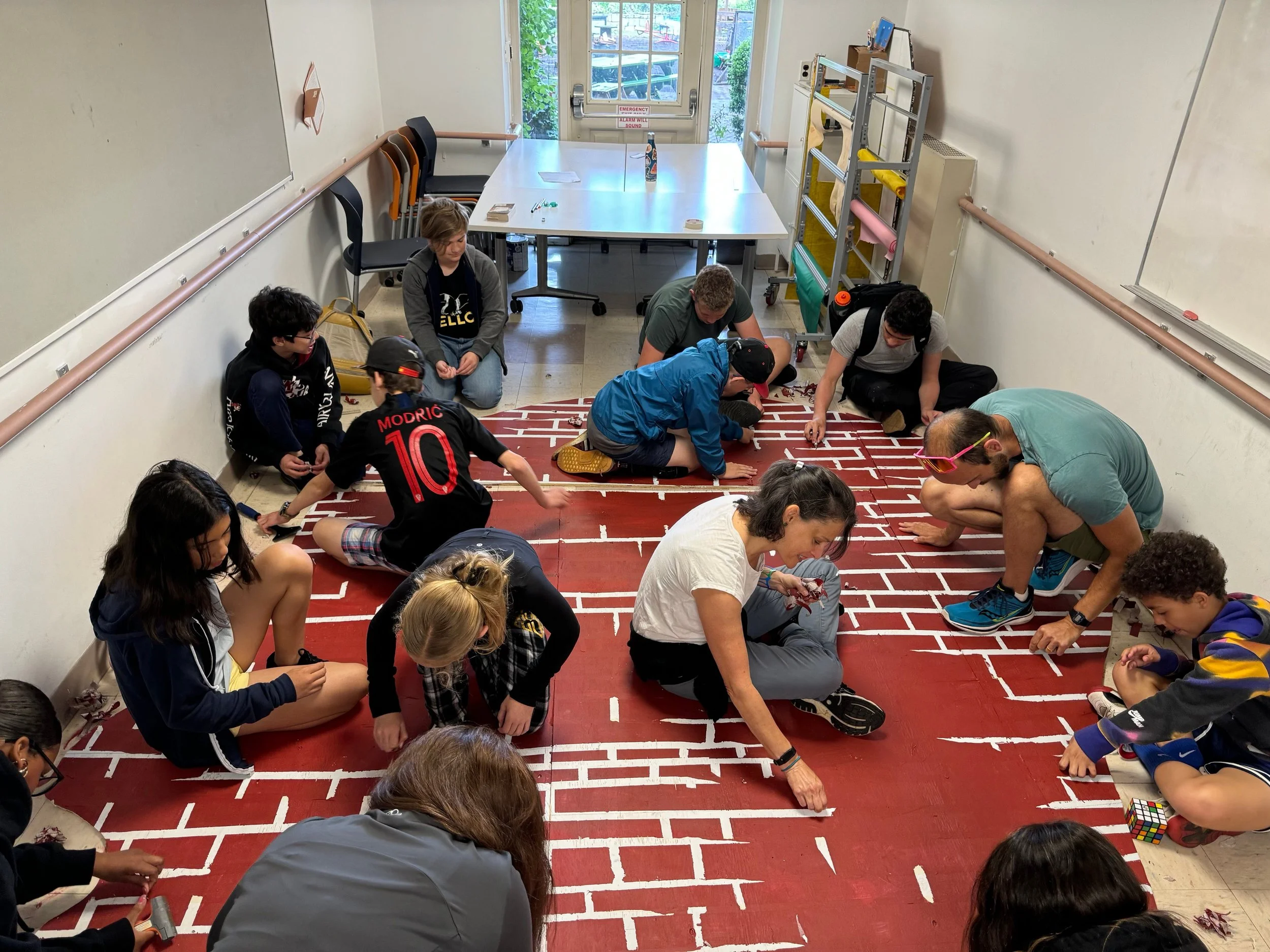
Our interdisciplinary project centered around art. We explored how people make sense of art through literature, how inventions and innovations like pigments (pictured above) enabled different art forms to flourish, and the relationship between art and crime throughout history.
-
![]()
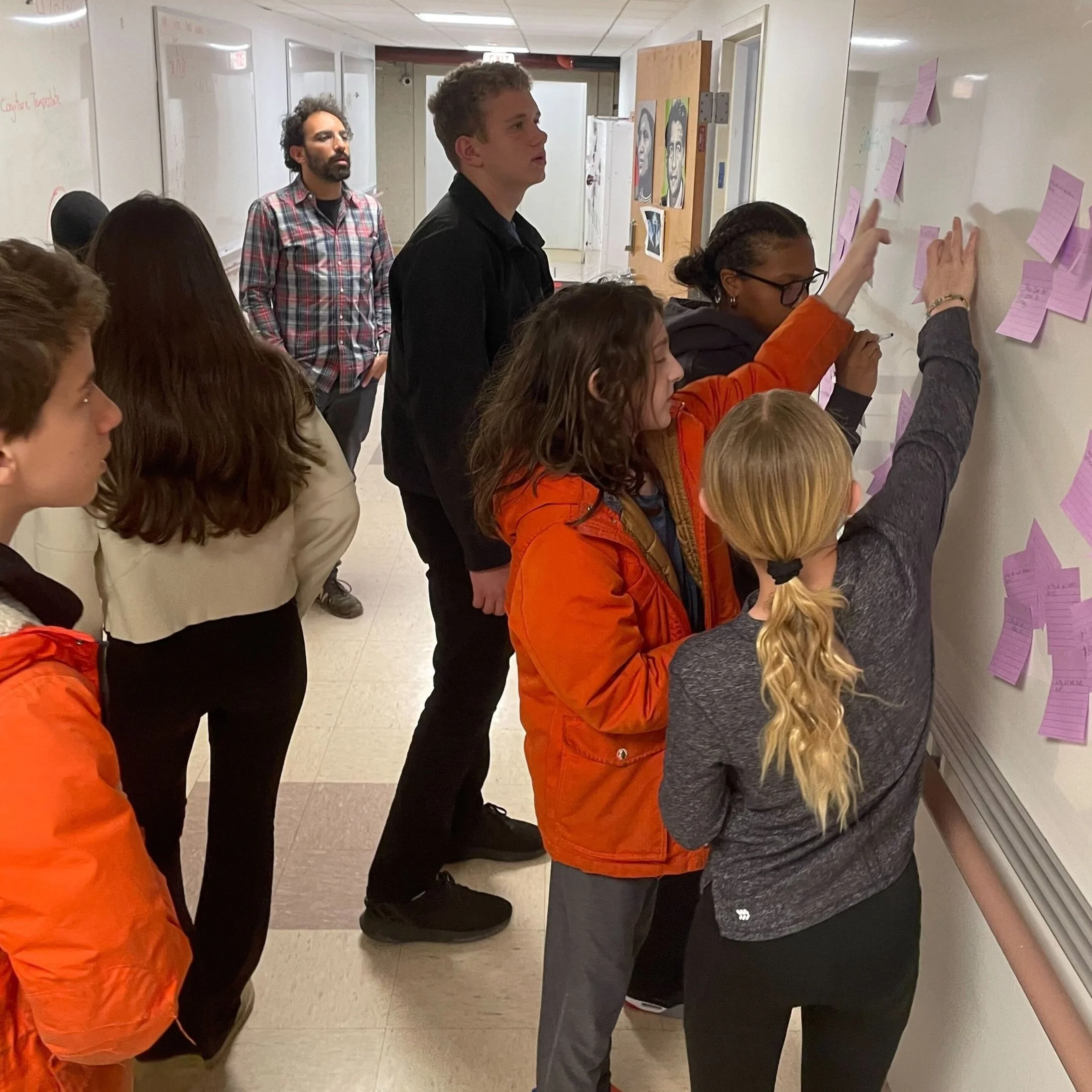
How do you make informed decisions as a group? To settle on our project's essential question, we learned how to evaluate ideas, respectfully provide feedback, and advocate for our ideas towards settling on a common path forward.
-
![]()
We agreed to focus on street art, graffiti, and the relationship between art and crime. How could we use our knowledge of street art to express our community's values and challenges in a meaningful way?
-
![]()
At Storm King we learned about the artistic process, how artists express their viewpoints, and how the physical placement of art can affect its impact. We also decided that we would present our arguments via a class mural to challenge viewers to grapple with middle schoolers' challenges and a debate series with community members that influence school policy.
-
![]()
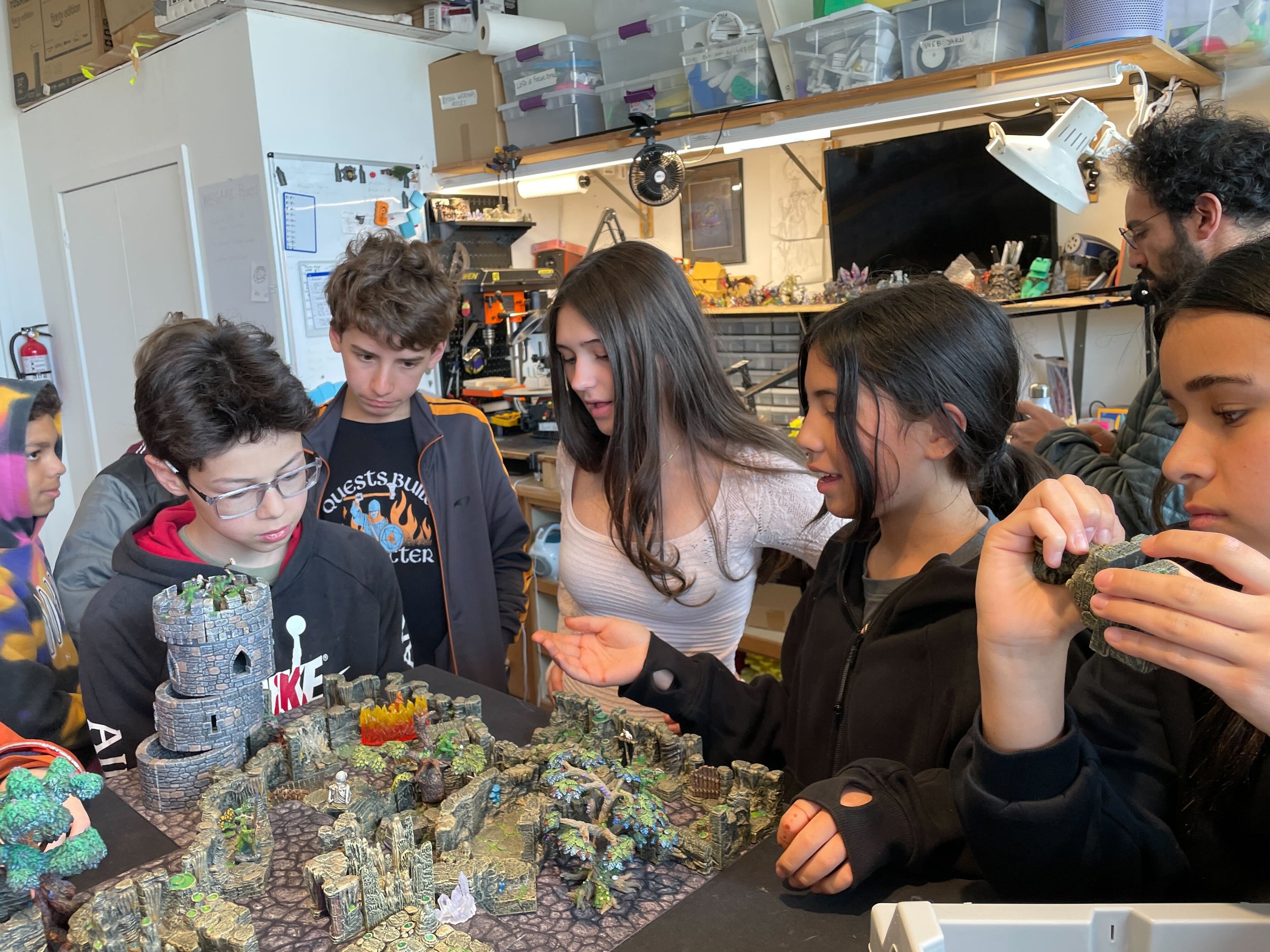
We split into debate groups, devising our strategies and crafting our arguments using demographic analysis to inform our arguments. We also worked on imagery to use in our debates. A fun expedition, we loved our visit to Dwarven Forge, a Brooklyn-based design studio.
-
![]()
We connected our debate propositions to issues important to us, and we interviewed people with relevant first-hand experience or expertise to inform our arguments.
-
![]()
We wrapped up our research and scripted our arguments and anticipated rebuttals. We also improved our arguments through structured peer reviews. We also consulted with artists, receiving feedback and advice on our mural.
-
![]()
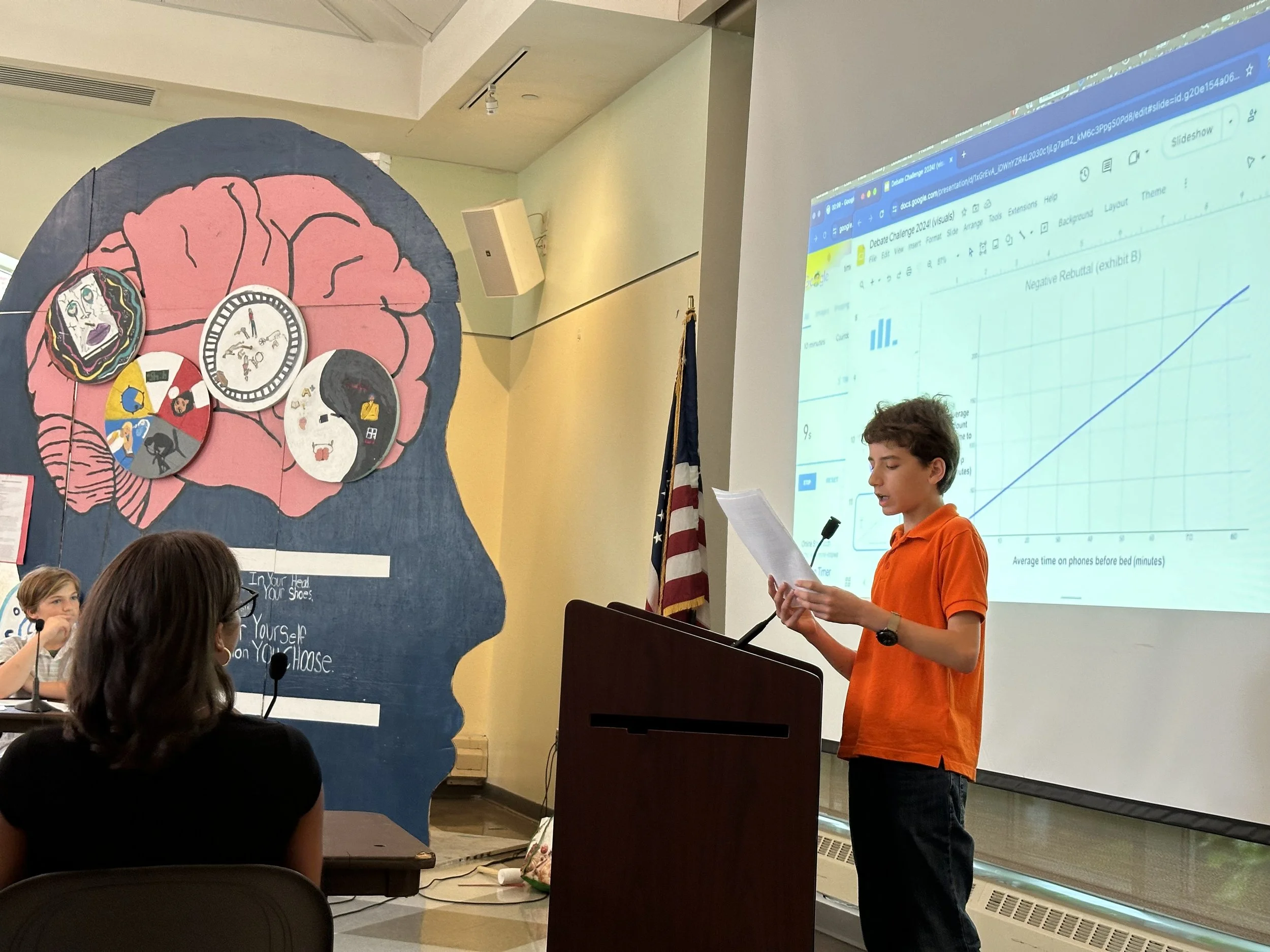
For exhibition, we debated with the Hastings mayor and two school board members serving as judges. We debated hot school topics around later start times, the benefits of homework for students' academic and social-emotional development, classroom pets, and middle schoolers having a smart phone.





Take a deep dive into Project-Based Learning
We have been teaching this way since our founding in 2017. Here's a peek at our team speaking about PBL (short for project-based learning) in 2020."
Project-based learning helps students become flexible problem-solvers. (2020)